Back to Travel & Tourism

Travel notes

The Ultimate Sri Lanka Guide

An island of 65,610 square kilometres with two monsoons running against each other, eight World Heritage sites and roads that are slower than the map suggests. This is what we tell our own guests before they book.

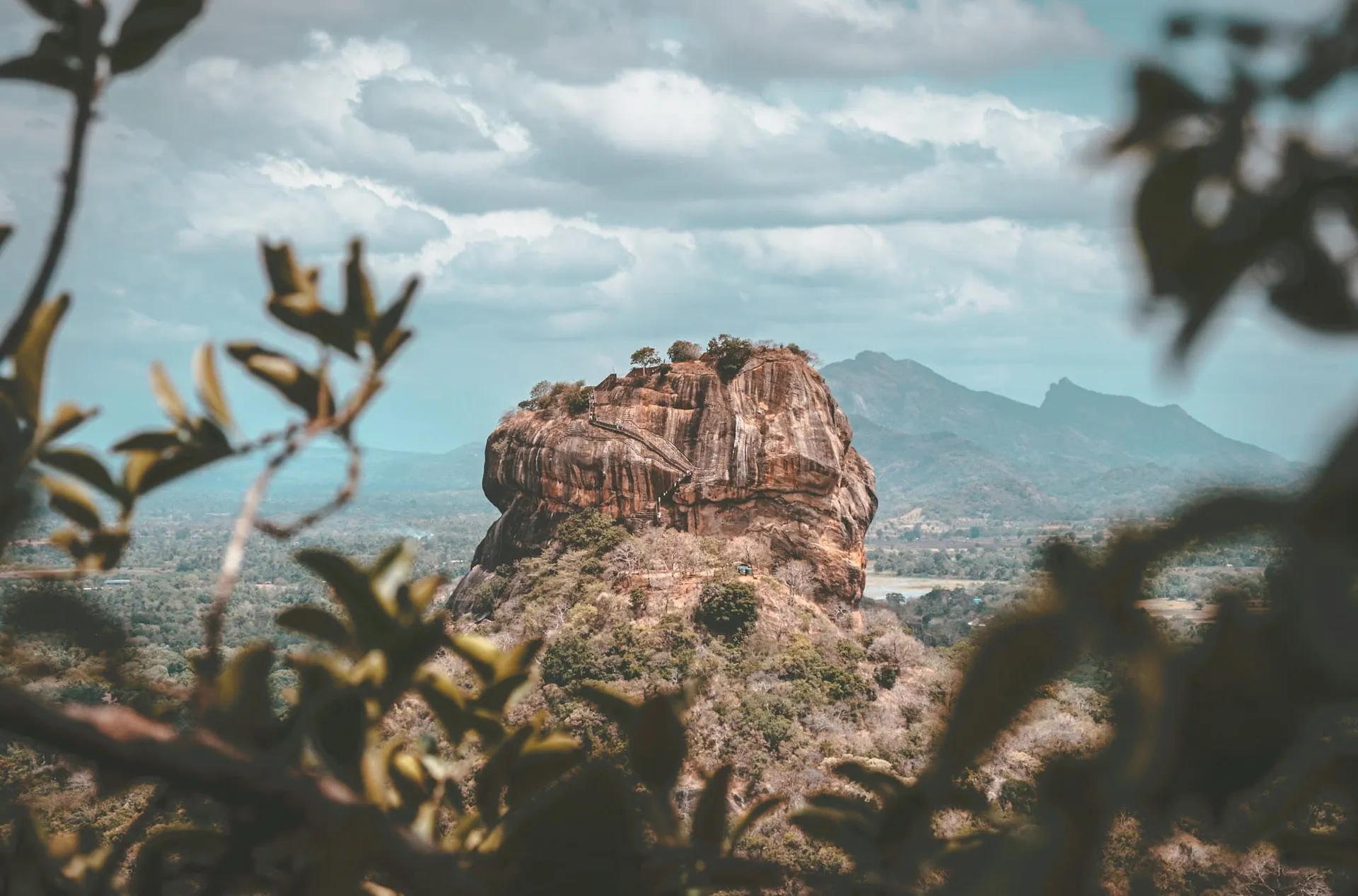
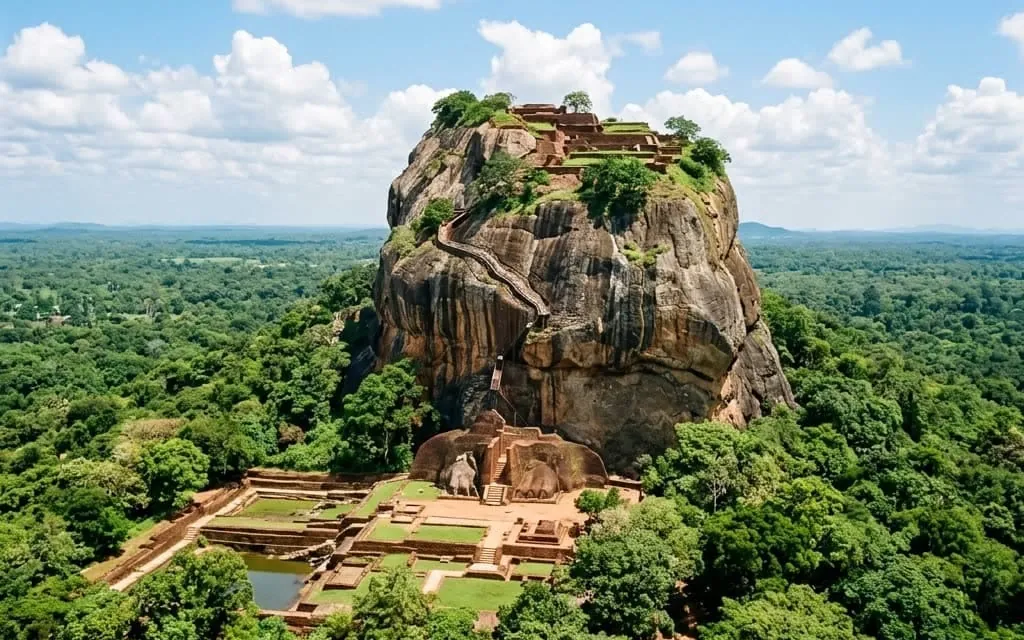
Sigiriya rock fortress rising from the surrounding forest

Gateway

CMB

Bandaranaike International, Katunayake, about 35km north of Colombo. Mattala (HRI) and Jaffna (JAF) handle a thin schedule.

Currency

Sri Lankan rupee

Cards work in hotels and city restaurants. Everything else, from tuk-tuks to temple donations, runs on cash.

Languages

Sinhala, Tamil

Both are official. English is the working link language and is widely spoken across the tourism trade.

Time zone

UTC +5:30

Half an hour behind Bangkok, five and a half hours ahead of London in winter. No daylight saving.

Driving

On the left

Average road speed off the expressways sits near 35km/h. Plan by hours, never by kilometres.

Power

230V, Type G and D

UK three-pin fits most modern sockets. Older properties still use the round-pin Type D.

The island in six parts

Six regions, and what each one is actually for

Sri Lanka is small enough to cross in a day and varied enough that almost nobody should try. These are the blocks a route is built from.

The Cultural TriangleHeritage

North Central & Central

The Cultural Triangle

Four of the island’s eight World Heritage sites sit inside one two-hour driving radius: Anuradhapura, Polonnaruwa, Sigiriya and the Dambulla cave temples.

  • Sigiriya at first light, before the rock face turns into an oven
  • Polonnaruwa by bicycle rather than by vehicle
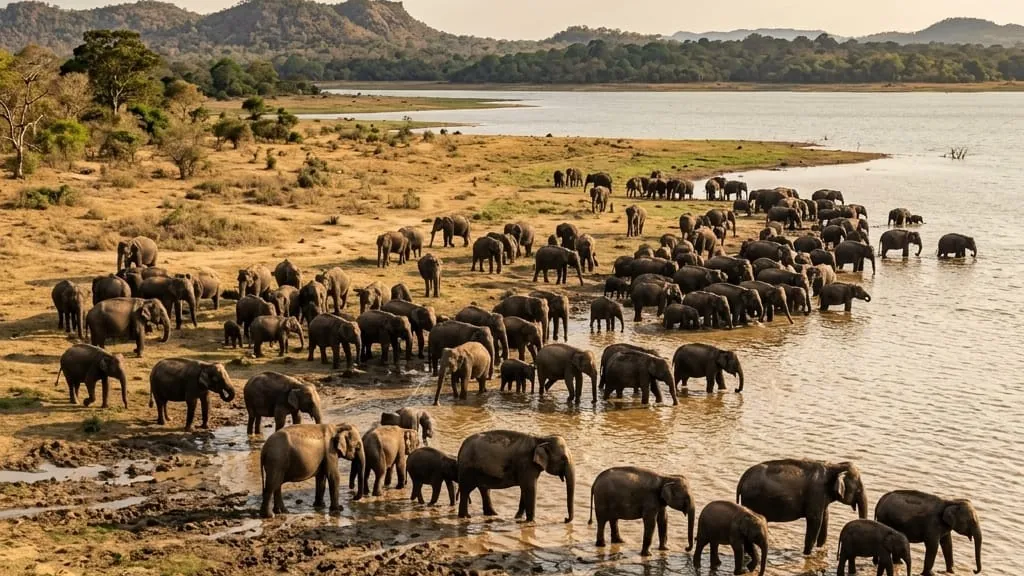
  • The Minneriya and Kaudulla tanks for elephants on the same loop
Best window
February to September
Give it
3 to 4 nights
The Hill CountryTea & rail

Central & Uva

The Hill Country

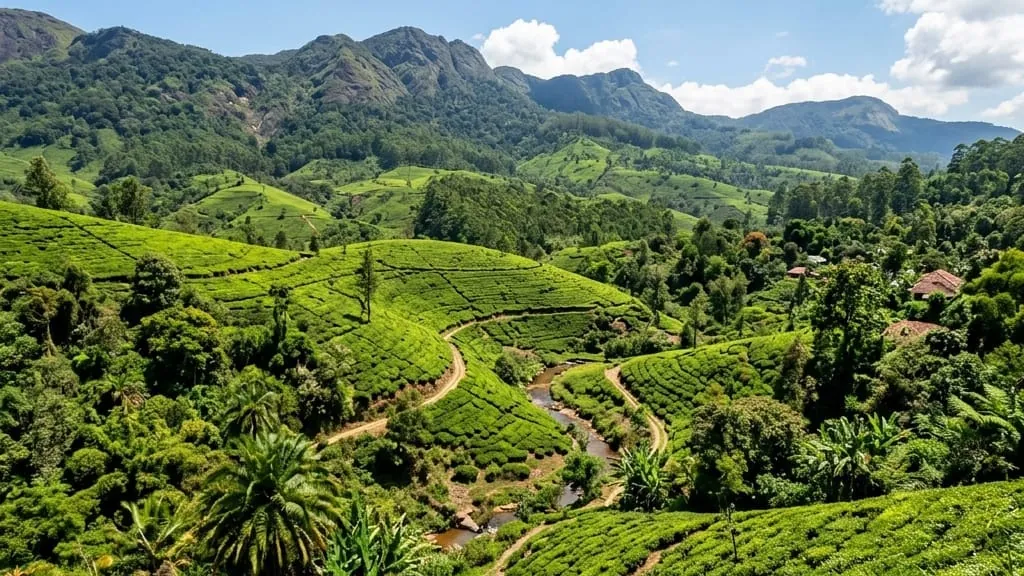
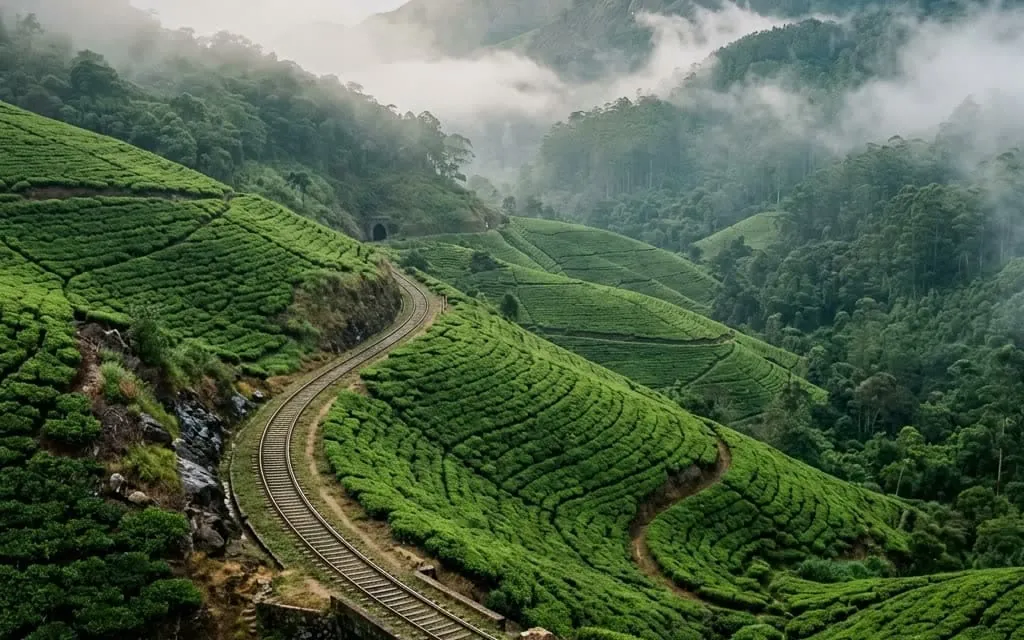
Tea estates above 1,200 metres, cool nights, and the rail line that runs from Kandy through Nanu Oya to Ella. The Central Highlands are a natural World Heritage site.

  • The Kandy to Ella rail leg in a reserved observation seat
  • Horton Plains and World’s End walked before the cloud closes in
  • A working estate tour that ends in the tasting room, not the gift shop
Best window
January to April, July to September
Give it
3 to 5 nights
The South CoastCoastal

Southern

The South Coast

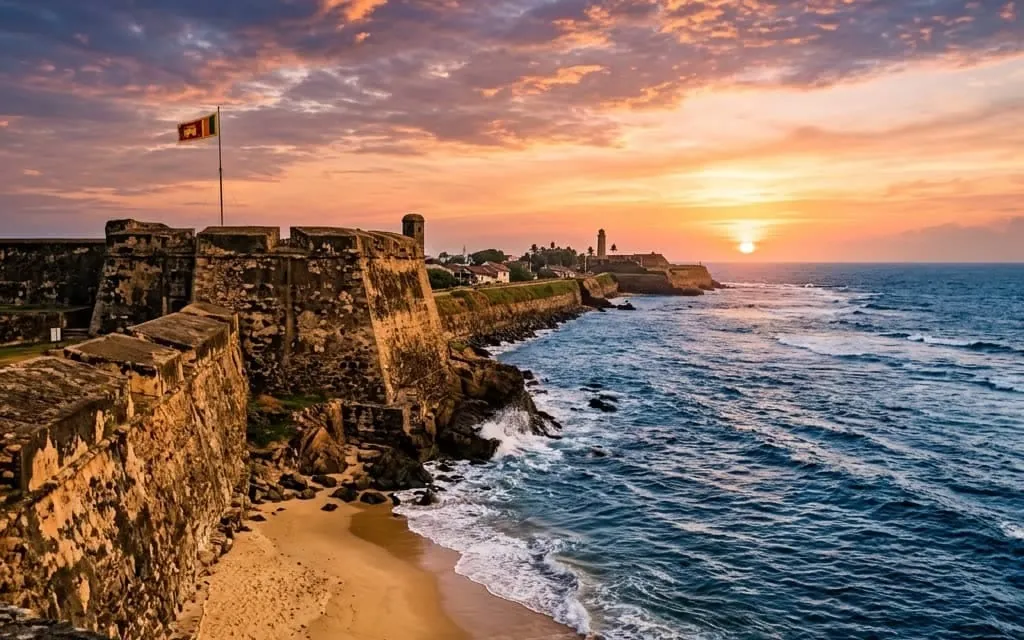
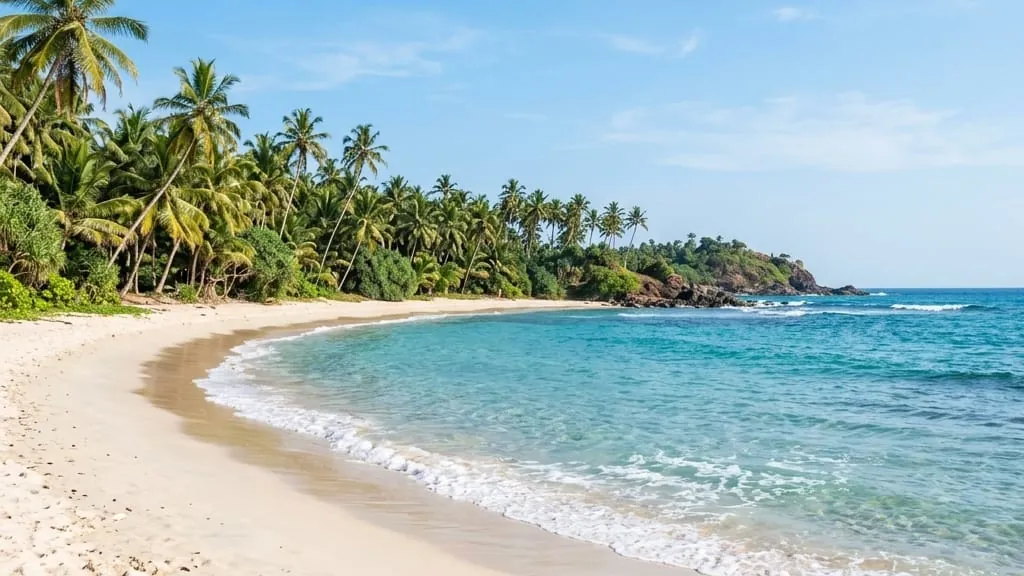
Galle Fort, the beaches either side of it, and the deep water off Mirissa where blue whales pass through. The most developed stretch of coast, and the easiest to reach.

  • Galle Fort walked at dusk when the day trippers have gone
  • Blue and sperm whales off Mirissa and Dondra Head
  • Stilt fishermen at Koggala, arranged honestly or not at all
Best window
December to April
Give it
4 to 7 nights
Yala & UdawalaweWildlife

Southern & Sabaragamuwa

Yala & Udawalawe

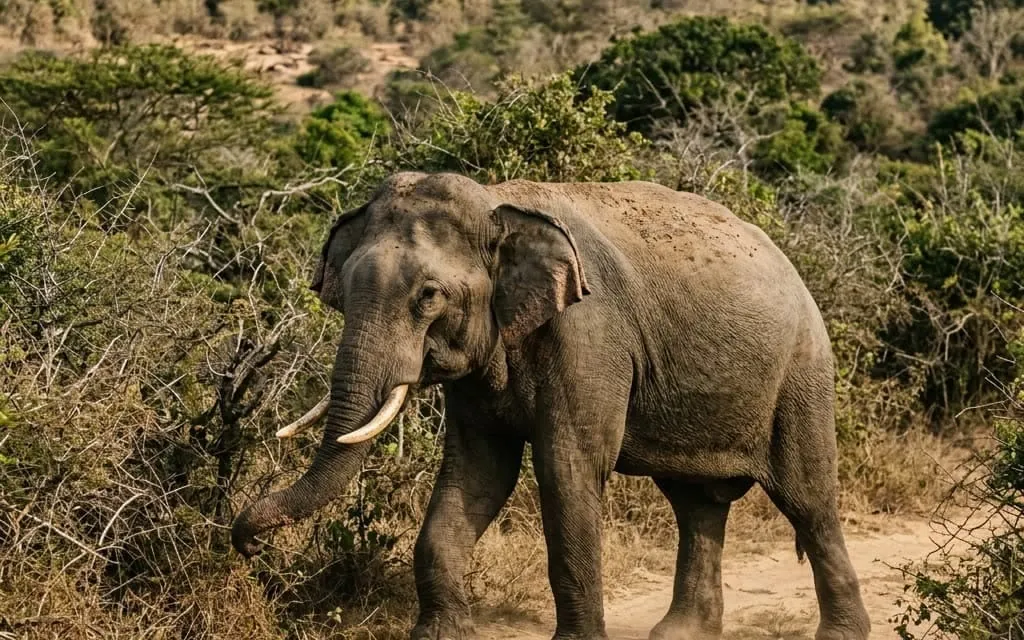
Sri Lanka holds the densest leopard population on earth, and Yala Block One is where that density is highest. Udawalawe is the more certain bet for elephants.

  • Leopard tracking at Yala between May and July, when water draws everything in
  • Udawalawe for elephants at close range without the Yala traffic
  • Bundala instead, if the interest is birds rather than big cats
Best window
February to July
Give it
2 to 3 nights
The East CoastReef & surf

Eastern

The East Coast

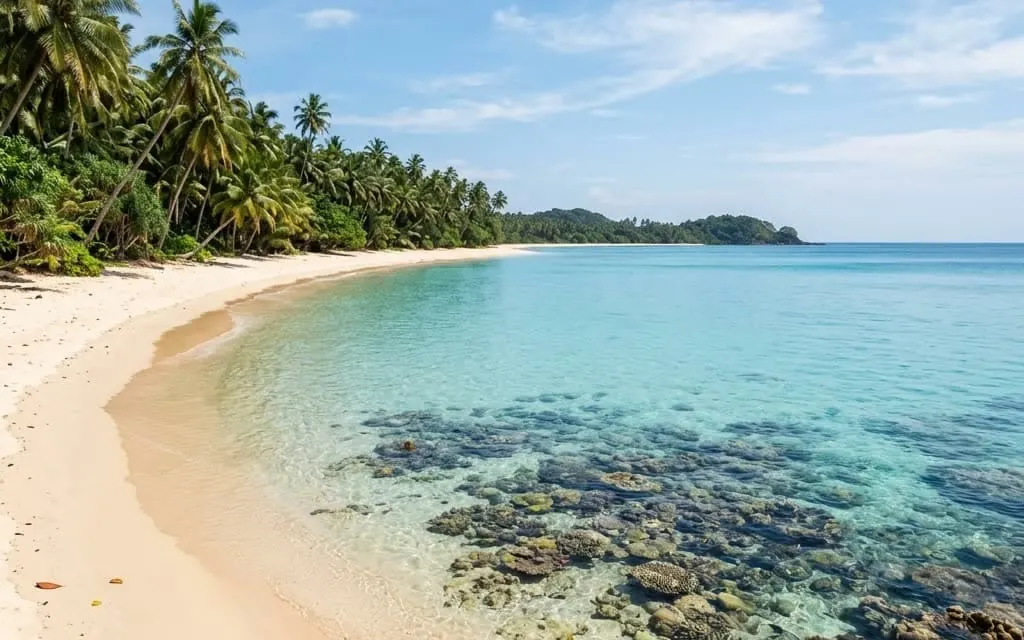
Trincomalee, Pasikudah and Arugam Bay run on the opposite calendar to the south. Warm flat water for snorkelling in the north of the stretch, a world-class point break at the bottom.

  • Pigeon Island reef off Nilaveli, gone early to beat the boats
  • Arugam Bay at its cleanest from July to September
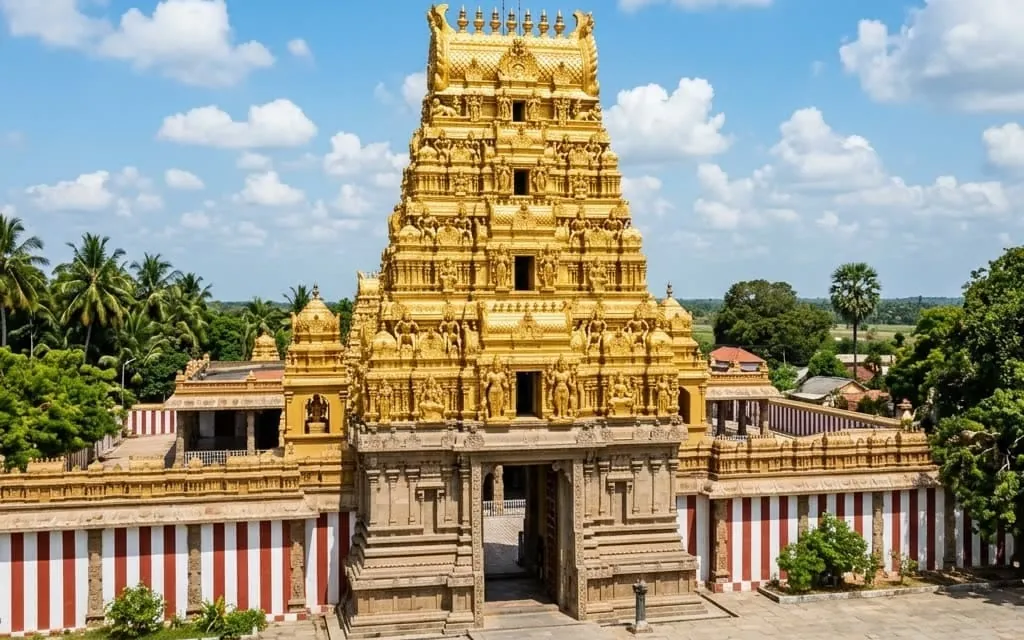
  • Koneswaram temple on the cliff above Trincomalee harbour
Best window
May to September
Give it
3 to 5 nights
Jaffna & the NorthCulture

Northern

Jaffna & the North

Tamil Sri Lanka, with its own food, its own architecture and almost none of the coach traffic. Still the least-visited quarter of the island, which is most of the appeal.

  • Nallur Kandaswamy temple, and the crab curry that Jaffna is known for
  • The causeway islands and the ferry out to Delft
  • Wilpattu on the drive back down, for leopards without the crowds
Best window
February to September
Give it
2 to 3 nights

When to come

Two monsoons, so somewhere is always in season

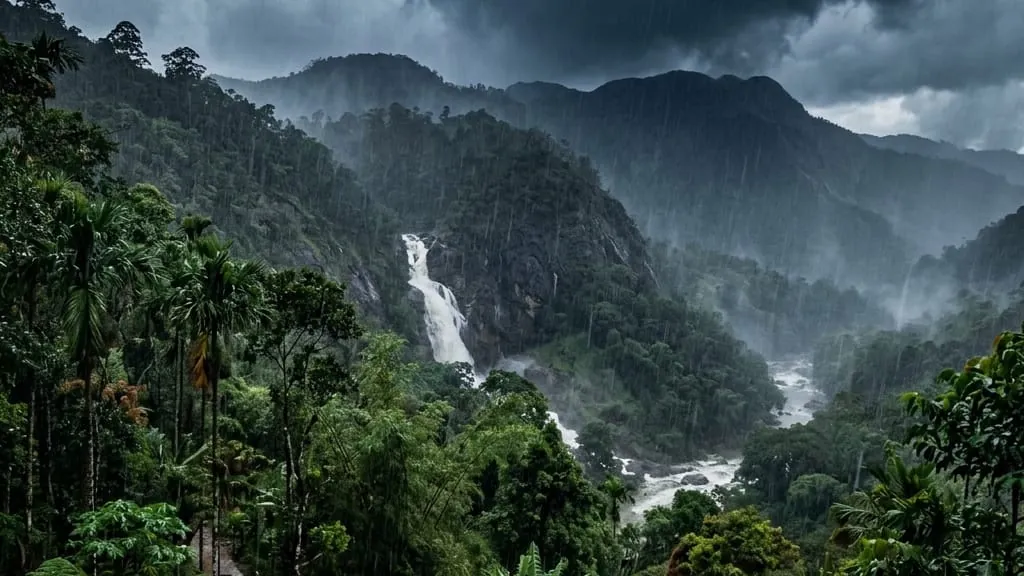
The south-west monsoon runs roughly May to September. The north-east monsoon runs roughly December to February. They fall on opposite halves of the island, which is why there is no wrong month, only a wrong destination for the month you have.

Regional conditions by month. Scroll sideways on a narrow screen.
RegionJanFebMarAprMayJunJulAugSepOctNovDec
South & west coastSheltered from the north-east monsoon. Peak whale season falls inside the dry window.Jan: PrimeFeb: PrimeMar: PrimeApr: GoodMay: WetJun: WetJul: MixedAug: MixedSep: MixedOct: WetNov: GoodDec: Prime
Hill countryCool all year. January to March gives the clearest views from World’s End.Jan: PrimeFeb: PrimeMar: PrimeApr: GoodMay: MixedJun: MixedJul: GoodAug: GoodSep: GoodOct: WetNov: MixedDec: Good
Cultural TriangleDry zone. Rarely rained off, but April to August is genuinely hot by midday.Jan: GoodFeb: PrimeMar: PrimeApr: GoodMay: GoodJun: GoodJul: PrimeAug: PrimeSep: GoodOct: WetNov: WetDec: Mixed
East coastRuns on the opposite calendar to the south. The surf season peaks in the middle of it.Jan: WetFeb: MixedMar: GoodApr: GoodMay: PrimeJun: PrimeJul: PrimeAug: PrimeSep: PrimeOct: MixedNov: WetDec: Wet
Jaffna & the northDry and very hot through the middle of the year. Closed in by the north-east monsoon.Jan: WetFeb: GoodMar: PrimeApr: PrimeMay: GoodJun: GoodJul: GoodAug: GoodSep: GoodOct: WetNov: WetDec: Wet
  • PrimeDry, settled, and worth building the trip around.
  • GoodReliable enough. Occasional showers, rarely a lost day.
  • MixedWorkable with a flexible plan. Mornings usually clear.
  • WetMonsoon or inter-monsoon. Go elsewhere on the island instead.

Read the columns, not the rows. There is no month with nothing open, but October is the one week-to-week gamble across the whole island.

South, west and the hills
December to March

South, west and the hills

The north-east monsoon is falling on the far side of the island, which leaves the southern beaches dry and bright. Blue whales are off Mirissa, Horton Plains is at its clearest, and the Adam’s Peak pilgrimage path is lit through the night.

The changeover
April to June

The changeover

April is the best all-island month of the year and carries the Sinhala and Tamil New Year with it. From May the south-west monsoon settles in, the coast turns, and the Cultural Triangle and the east open up in its place.

East coast and the dry zone
July to September

East coast and the dry zone

Trincomalee and Arugam Bay hit their stride, and the dry zone tanks pull elephants in from the surrounding scrub. The gathering at Minneriya is at its largest through August and September.

The honest gap
October to November

The honest gap

The second inter-monsoon brings short, heavy afternoon storms almost everywhere. Sites are empty and rates are at their lowest of the year, which is a real trade rather than a bad one, provided the plan can move.

World Heritage

Eight inscriptions, six cultural and two natural

Sri Lanka ratified the UNESCO convention in 1980 and has eight sites on the World Heritage List. Four of them sit close enough together to cover from one base.

Anuradhapura

Sacred City of Anuradhapura

A capital for over a thousand years. The Jaya Sri Maha Bodhi here is grown from a cutting of the tree the Buddha sat under.

Cultural1982North Central

Polonnaruwa

Ancient City of Polonnaruwa

The second capital, compact enough to cover by bicycle in a morning. Gal Vihara holds the finest rock-cut Buddhas on the island.

Cultural1982North Central

Sigiriya

Ancient City of Sigiriya

A fifth-century palace on top of a 200-metre granite plug, with water gardens below and the frescoes still on the rock face.

Cultural1982Central

Kandy

Sacred City of Kandy

The last royal capital and home of the Temple of the Tooth. Time a visit for one of the three daily offerings.

Cultural1988Central

Galle Fort

Old Town of Galle and its Fortifications

A Dutch walled town that people still live in. The ramparts are the walk, and dusk is the hour.

Cultural1988Southern

Sinharaja

Sinharaja Forest Reserve

The last significant stand of primary lowland rainforest, and the best endemic birding on the island. Take a leech sock and a guide.

Natural1988Sabaragamuwa & Southern

Dambulla

Rangiri Dambulla Cave Temple

Five caves under an overhang, painted floor to ceiling, in continuous use as a monastery for over two thousand years.

Cultural1991Central

Central Highlands

Central Highlands of Sri Lanka

Three protected areas in one inscription: Peak Wilderness, Horton Plains and the Knuckles Conservation Forest.

Natural2010Central & Sabaragamuwa

Wildlife

Four windows worth planning around

Sightings are never guaranteed, but they are seasonal, and the seasons are well understood. Timing does more for a safari than the lodge does.

Sri Lankan leopard

Yala Block One, Wilpattu

The island holds the highest leopard density anywhere. As the waterholes shrink, sightings concentrate around them.

Season
February to July
Peak
May to July

Asian elephant

Minneriya, Kaudulla, Udawalawe

The gathering on the receding Minneriya tank draws herds in the hundreds. Udawalawe is the year-round fallback.

Season
June to October
Peak
August to September

Blue and sperm whale

Mirissa, Dondra Head, Kalpitiya

Deep water sits unusually close to shore off Dondra, which is why the boats do not need to run far.

Season
November to April
Peak
February to March

Endemic birds

Sinharaja, Kitulgala, Bundala

Thirty-four endemic species. Bundala takes migratory waders through the northern winter, flamingos included.

Season
All year, best November to April
Peak
December to March

Getting around

The island is small. The roads are not fast.

This is the single most common planning mistake, and the one that ruins the most itineraries. Distances look trivial on a map and take most of a morning on the ground.

Airport (CMB)Colombo
35km45 minE03 expressway
ColomboGalle
125km2 hrE01 Southern Expressway
ColomboKandy
115km3 to 4 hrA1, partial expressway
KandySigiriya
90km2.5 hrA9 trunk road
KandyNuwara Eliya
75km3 hrA5 mountain road
Nuwara EliyaElla
55km2 hrA5, or the rail leg
EllaYala
110km3 hrA2 via Wellawaya
ColomboTrincomalee
260km6 hrA6 through the dry zone
ColomboJaffna
400km7 to 8 hrA9, or the overnight train

Off the three expressways, a realistic average is 35 to 40km per hour. A 200km day is a long day. We build routes so that no single transfer runs past four hours, and we would rather add a night than gain a sight.

Before you fly

The boring things, handled

Everything below is checked against the official source rather than a forum post. Rules change, so we confirm each of these against your own passport before anything is booked.

Entry and visas

ETA, applied for online
Almost every visitor needs an Electronic Travel Authorisation before boarding. Apply at the official portal, eta.gov.lk, and nowhere else. The agent sites charge a mark-up for the same form.
Thirty days, double entry
The standard tourist ETA runs 30 days from first arrival and allows a second entry inside that window. Extensions are applied for on the island, for a fee.
Free for forty nationalities
Since 25 May 2026 the tourist ETA fee is waived for citizens of forty countries. The formality still applies, only the charge is dropped. We confirm your nationality against the current list before you pay anything.
Passport validity
Six months beyond your date of arrival, with a blank page. Airlines check this at origin, not on landing.

Money on the ground

Cash is still king
Hotels, city restaurants and larger shops take cards. Tuk-tuks, market stalls, roadside fruit, temple donations and small guesthouses do not.
Break your notes early
Change is scarce outside the cities. Split large notes at a supermarket or a fuel station while you can.
ATMs and exchange
Bank ATMs in every town of size. Exchange at a bank or an authorised counter rather than on the street, and keep the receipt.
Tipping
Not obligatory, and never aggressive. Rounding up a fare and something meaningful for a chauffeur-guide at the end of a trip is the norm.

Staying connected

A local SIM at arrivals
Dialog and Mobitel both sell tourist packages at the airport counters before you reach the exit. Coverage is good on the coasts and patchy in the interior of the parks.
eSIM if your phone takes one
Set up before you fly and skip the counter entirely. Useful on a short trip, more expensive per gigabyte than the local option.
Power and plugs
230V at 50Hz. Type G, the UK three-pin, fits nearly everywhere modern. Carry a Type D adaptor for older estate bungalows.

Health and safety

Vaccinations
None mandatory for most arrivals. A yellow fever certificate is only required if you are arriving from a country where it is endemic. Take routine advice from your own doctor.
Water and food
Drink sealed bottled or filtered water. Street food is generally excellent; pick the stall with the queue and the turnover.
Mosquitoes
Dengue is present year-round and rises after rain. Repellent morning and evening does most of the work. Malaria has been eliminated since 2016.
Sea conditions
Currents on the monsoon-facing coast are serious. Swim where the flags and the locals are, and treat an empty beautiful beach as a warning.

On the ground

Six things worth knowing before the first temple

Sri Lanka is a forgiving place to travel and an easy one to give offence in by accident. None of this is difficult; it is simply not obvious from outside.

Cover up at temples

Shoulders and knees covered at every Buddhist and Hindu site, for everyone. Shoes and hats come off before you step onto the platform, so slip-ons save time. The stone gets hot; socks are a sensible cheat.

Never pose with a Buddha

Turning your back on a Buddha image for a photograph causes real offence, and visitors have been refused entry and worse over it. Visible Buddha tattoos are a genuine problem at immigration. Cover them.

Poya days are dry days

Every full moon is a public holiday. Bars and liquor shops close by law, meat counters shut, and temples fill. Hotels can usually still serve residents. Buy the wine the day before.

The right hand, always

Eat, pass and receive with the right hand. Rice and curry is eaten with the fingers, and doing so is welcomed rather than merely tolerated.

Ask before the camera

A smile and a gesture is enough, and it is almost always yes. Photography is restricted inside some temple shrine rooms and around military installations in the north.

The head wobble is a yes

A side-to-side tilt reads as agreement, acknowledgement or simply "I am listening". It is not hesitation, and it is not a no.

At the table

What to order, and when it is served

Sri Lankan food is its own cuisine, not a milder branch of southern Indian cooking. Meals are structured by time of day more strictly than most visitors expect.

Rice and curry

Lunch

Not one dish but a spread: rice with five or more curries around it, plus sambol, papadam and a chutney. Vegetarian by default more often than not. No two households make it the same way.

Egg hoppers

Breakfast

A bowl-shaped pancake of fermented rice flour and coconut milk, crisp at the rim and soft in the middle, with an egg cracked into it. Eaten with lunu miris, a fierce onion and chilli sambol.

String hoppers

Breakfast or dinner

Steamed nests of rice-flour noodles, served in stacks with dhal, coconut sambol and a thin curry poured over. The quiet, comforting end of Sri Lankan cooking.

Kottu roti

Late night

Flatbread shredded on a hot plate with egg, vegetables and meat, worked with two blades. You hear a kottu shop before you see it. Ask for cheese kottu once, for research.

Jaffna crab curry

Anywhere in the north

The north cooks hotter and darker than the south, with its own roasted spice blend. This is the dish worth driving for, and the reason to keep a night in Jaffna.

Ceylon tea, properly

All day

Ask which estate and which elevation. High grown from Nuwara Eliya is light and brisk, low grown from Ruhuna is dark and heavy. Both beat what leaves the island in a box.

Questions

What people ask us first

If the answer you need is not here, ask. A planner rather than a chatbot replies.

How long do we actually need?

Ten nights is the shortest trip that does not feel like a transfer schedule, and it covers the Cultural Triangle, the hill country and one coast. Fourteen adds a second coast or the north without hurrying. Under a week, pick one region and stay in it.

Is it better to drive or take the train?

Both, in the right places. A private vehicle and chauffeur-guide is the sensible spine of any route, because the sites are spread out and the connections are poor. The exception is Kandy to Ella, where the train is genuinely better than the road and worth reserving around.

How far ahead do we need to book?

For December to March on the south coast, four to six months gives the best choice of villas. The hill country and the east are more forgiving at six to eight weeks. Rail reservations open exactly 30 days out and the observation car goes quickly, so that date is worth holding.

What does a quoted price include?

Accommodation, private transport with a chauffeur-guide, entrance fees, park permits and daily breakfast unless stated otherwise. International flights, visas, insurance and meals outside estate stays sit outside the quote and are itemised so nothing is buried.

Does it work with children, or with limited mobility?

Yes to both, and the routing changes accordingly. Family trips move in shorter legs with slack built in. Where mobility is a factor we swap the climbable sites for their equals, arrange temple access in advance, and confirm ground-floor rooms in writing before booking.

What happens if the plan needs to change mid-trip?

Your coordinator on the island reworks the day. A park closed by weather, a delayed flight, or simply wanting a second night somewhere: all of it is handled without you renegotiating with individual hotels.

Ready to shape a route?

Tell us roughly when you can travel and what you want out of it. A planner in Colombo replies within one business day, with a draft route rather than a brochure.

Talk to a planner